The Adventure Your Children Will Remember: Why Hands-On Learning Creates Lifelong Memories
By My Learning Source · August 6, 2026
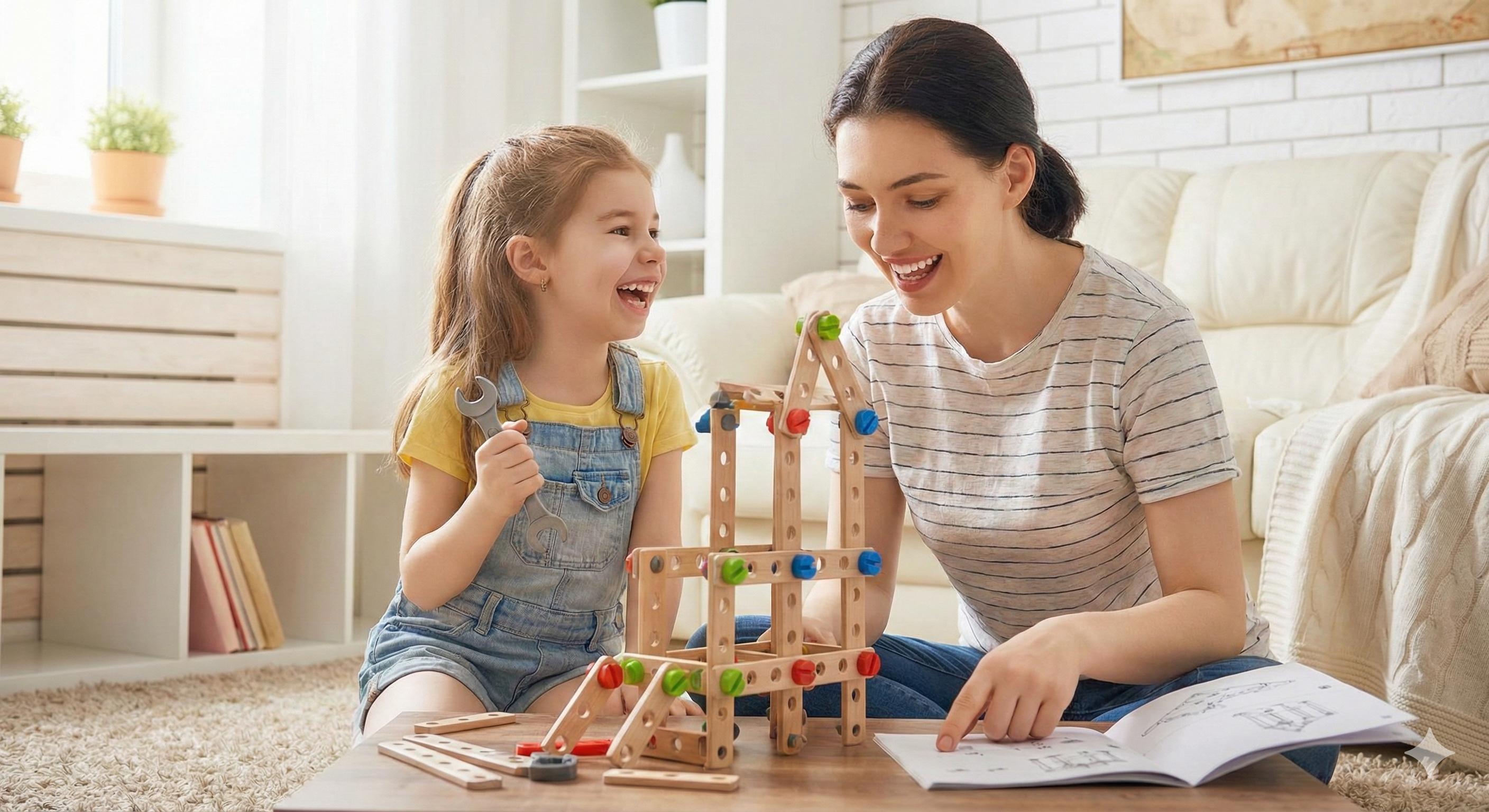
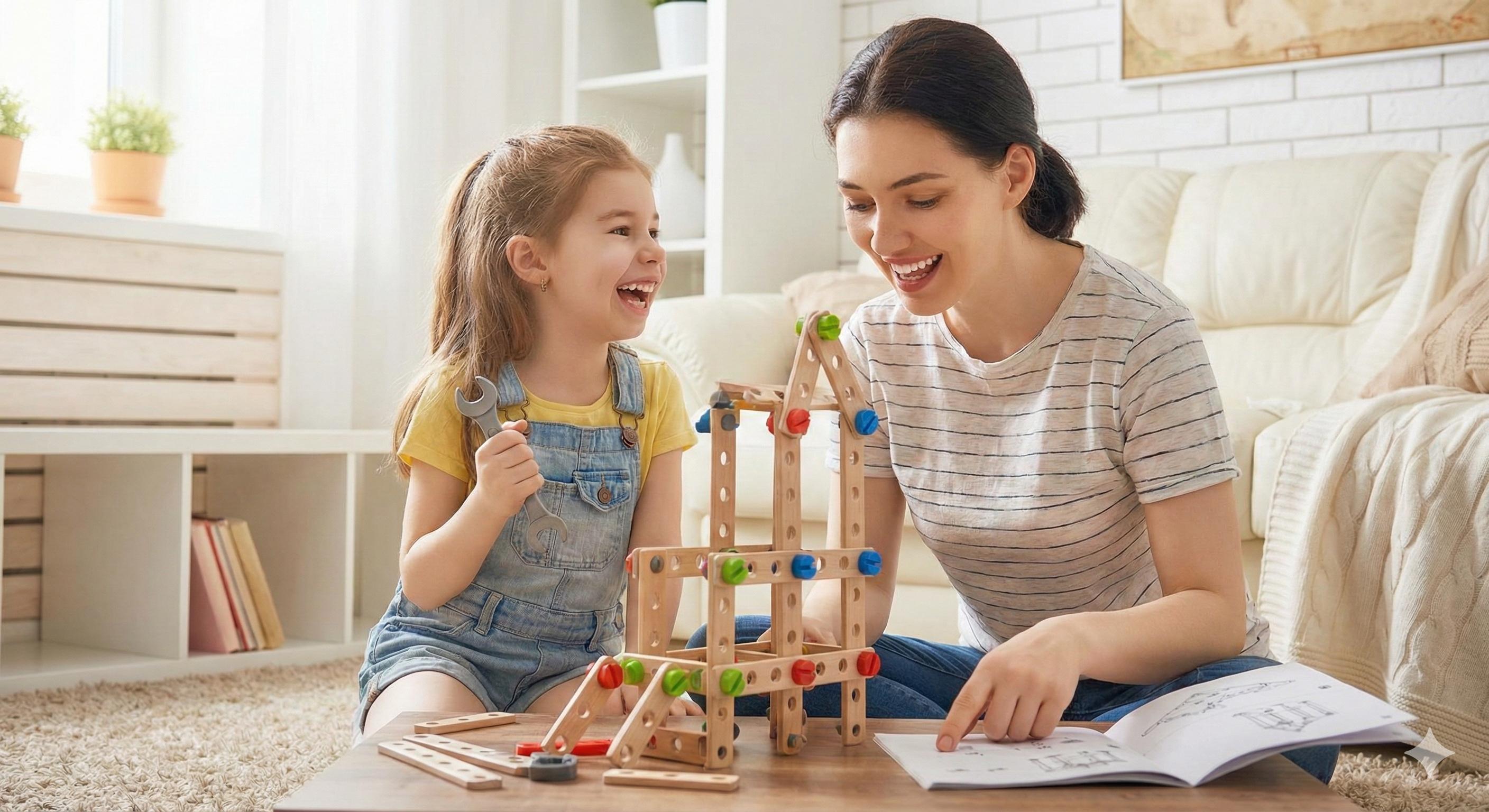
Many parents worry about giving their children the best education possible. They research curriculum, compare teaching methods, search for the right books, and spend countless hours planning lessons. While those things certainly matter, there is another ingredient that often has an even greater impact on a child's education—time spent learning alongside the people they love.
· Children rarely remember every worksheet they completed or every quiz they passed.
· They remember building something with Mom.
· They remember discovering something amazing with Dad.
· They remember laughing when the experiment didn't go as planned.
· They remember solving a problem together.
· Those shared moments become the stories families tell for years.
Educational research continues to show that meaningful learning happens when children are actively engaged, emotionally connected, and personally invested in what they are doing. Hands-on adventures create exactly that kind of learning environment.
Children Learn Best Through Experience
From the time children take their first steps, they learn by exploring.
· They touch.
· They build.
· They test.
· They ask questions.
· They experiment.
Developmental psychologists have long understood that children build knowledge by interacting with the world around them. Instead of simply receiving information, they create understanding through experience.
When parents join that process, something remarkable happens. Learning becomes a relationship rather than an assignment.
Shared Adventures Strengthen Family Bonds
Busy schedules often make it difficult for families to spend meaningful time together. Homework, sports, work schedules, electronic devices, and daily responsibilities compete for attention. Before long, entire weeks can pass with little uninterrupted family interaction.
· Hands-on projects naturally slow life down.
· Building a bridge together.
· Cooking a new recipe.
· Launching a homemade rocket.
· Growing vegetables.
· Constructing a birdhouse.
· Designing a marble maze.
· Creating artwork.
These activities require conversation, teamwork, encouragement, and patience. Parents are no longer supervising learning. They are participating in it.
Research consistently shows that children who experience positive parent involvement tend to demonstrate stronger academic achievement, higher motivation, greater self-confidence, and better emotional well-being.
The project becomes far more than the final product. It becomes shared time.
Curiosity Is the Beginning of Learning
Every great scientist began by asking questions. Why? How? What if?
Hands-on adventures naturally encourage curiosity because children immediately see the results of their ideas. When something works, they celebrate. When something fails, they try again.
Failure becomes part of discovery rather than something to fear. This process teaches resilience alongside knowledge. Children begin seeing challenges as opportunities instead of obstacles.
Every Adventure Teaches Multiple Subjects
One of the greatest advantages of project-based learning is that subjects naturally connect.
A simple cooking activity teaches:
- Mathematics through measuring.
- Science through chemical reactions.
- Reading through recipes.
- Health through nutrition.
- Responsibility through cleanup.
Building a small bridge introduces:
- Engineering.
- Physics.
- Geometry.
- Problem solving.
- Teamwork.
Creating a garden explores:
- Biology.
- Environmental science.
- Weather.
- Responsibility.
- Observation.
Children often learn several subjects without realizing they are "doing school."
That is one reason experiential learning is so memorable.
Character Grows Alongside Knowledge
Hands-on learning teaches far more than academic content.
It develops:
- Patience.
- Perseverance.
- Responsibility.
- Cooperation.
- Creativity.
- Communication.
- Leadership.
- Adaptability.
When children work alongside trusted adults, they observe how problems are solved, how mistakes are handled, and how encouragement is given.
Those lessons cannot always be taught from a textbook. They are modeled through everyday experiences.
Practical Ways Parents Can Create Learning Adventures
Creating memorable educational experiences does not require expensive equipment or elaborate planning.
Small adventures often produce the greatest memories. Here are several ideas parents can begin using immediately.
1. Build Together
· Choose one simple project each month.
· Build a birdhouse.
· Assemble a model.
· Construct a simple robot.
· Design a cardboard city.
· Create a marble run.
The goal is not perfection. The goal is working together.
2. Cook as a Family
Allow children to measure ingredients, read recipes, estimate cooking times, and observe how heat changes food.
Ask questions throughout the process. "What do you think will happen if...?"
Cooking transforms an ordinary evening into a science laboratory.
3. Explore Nature
· Take regular walks.
· Collect leaves.
· Identify birds.
· Observe insects.
· Study clouds.
· Draw what you find.
· Nature provides one of the world's greatest classrooms.
4. Ask More Questions Than You Answer
Instead of immediately providing explanations, encourage children to think. "What do you notice?", "Why do you think that happened?", and "What would you try next?"
Questions develop critical thinking far more effectively than constant instruction.
5. Read Then Create
After reading a story, build something connected to the book.
Create a map.
Design a model.
Act out scenes.
Draw inventions mentioned in the story.
Stories become experiences rather than simply pages.
Celebrate Mistakes
When projects fail, celebrate the opportunity to improve.
Ask:
· "What did we learn?"
· "What would we change?"
· "What should we try differently?"
Children who learn that mistakes are part of growth become more willing to tackle difficult challenges later in life.
Let Children Lead
Occasionally allow your child to choose the activity. When children help design the adventure, their motivation often increases dramatically. Ownership builds confidence.
Keep Screens Supporting, Not Replacing
Technology can be valuable when it enhances learning. Watch a short instructional video. Research an interesting topic.
Identify constellations with an astronomy app. Then put the devices aside and build, create, or explore together. Real experiences remain the most powerful teachers.
Create Family Traditions
Choose one evening every week or one Saturday every month dedicated to family learning adventures. Children often remember traditions far longer than individual lessons.
Consistency builds anticipation. Anticipation builds excitement.
The Greatest Lesson Is Time Together
Years from now, children may not remember every science fact they learned. They may forget every math worksheet they completed. But they will remember sitting beside their parents building a rocket that finally launched.
They will remember baking bread that filled the house with wonderful smells. They will remember laughing when the homemade boat sank before reaching the other side of the pool.
Those moments become part of the family's story. And in the process, learning becomes associated with joy rather than obligation. That may be one of the greatest educational gifts a parent can give.
One Company Built Around Family Adventures
One organization that embraces this philosophy is Cooper and Kid. Rather than focusing solely on academic instruction, the company designs hands-on adventure kits that encourage children and the important adults in their lives to learn, build, create, and explore together. Each themed adventure combines projects, stories, STEM activities, games, recipes, and creative experiences that invite families to participate side by side.
Cooper and Kid's mission extends beyond teaching individual subjects. The company seeks to help families raise thriving children by creating opportunities for meaningful interaction, character development, and shared discovery. Its philosophy emphasizes that learning should be adventurous, hands-on, and family-centered. Alongside science, engineering, creativity, and reading, each adventure encourages important character qualities such as perseverance, responsibility, kindness, confidence, and resilience. By bringing families together around engaging projects instead of passive entertainment, Cooper and Kid demonstrates that some of life's most valuable lessons are learned not only through books, but through shared experiences that create lasting memories.