The Homeschool Motivation Crisis: Five Ways to Get Your Child Excited About School Again
By Xogos Gaming · November 19, 2026
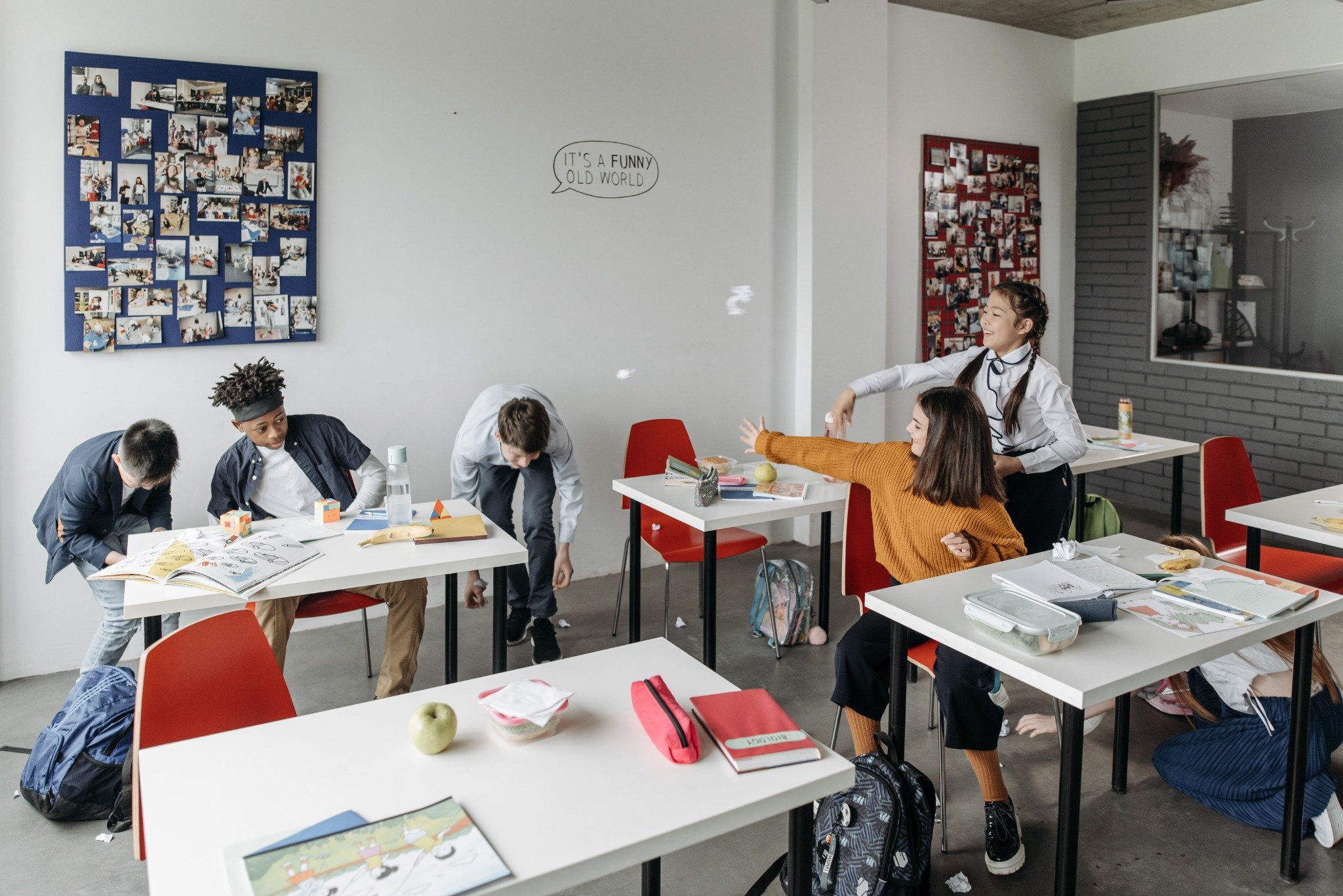
Turning Daily Schoolwork Battles Into Curiosity, Confidence, and a Love of Learning
When Learning Becomes a Daily Battle
"Do I really have to do school today?" If you're a homeschooling parent, you've probably heard those words more times than you can count. Sometimes they're followed by a dramatic sigh, a disappearing pencil, or a sudden fascination with cleaning a bedroom that hasn't been cleaned in months!
As a father of six children, I've experienced the challenges of education from several different perspectives. Some of my children have been homeschooled, others have attended public school, and some have moved on to college. One thing I've discovered is that keeping students engaged and motivated isn't just a homeschooling problem. It's a challenge across nearly every educational environment.
Whether you're trying to convince a homeschooler to finish a mathematics lesson, encouraging a public school student to complete homework, or watching a college student struggle to stay interested in their coursework, the question remains the same: How do we help our children want to learn rather than simply requiring them to do it?
The answer isn't necessarily more assignments, stricter schedules, or bigger rewards. Sometimes, it's changing how we approach education altogether.
The Science Behind Student Motivation
Psychologists Edward Deci and Richard Ryan developed Self-Determination Theory, which identifies three important psychological needs that influence motivation: autonomy, competence, and relatedness. In simpler terms, students are more likely to engage when they have some choice in what they do, believe they can make progress, and feel connected to the people and purpose behind their learning.
Research published in Educational Psychologist by Richard Ryan and Edward Deci (2020) discusses how supporting these needs can improve students' motivation and educational experiences.
Think about your child's favorite hobby. Whether it's video games, sports, drawing, cooking, or building something, they're often willing to practice for hours. Why? They enjoy the activity, see themselves improving, and have a reason to continue.
Now imagine bringing some of those same ingredients into your homeschool day!

Five Ways to Make School Exciting Again
1. Give Students Choices, Not Just Assignments
Children don't always resist learning itself. Sometimes they resist having no control over how they learn.
Instead of announcing, "Today you're writing a report about Ancient Egypt," try asking, "Would you rather build a pyramid model, create a newspaper about ancient Egypt, or write a story about discovering a pharaoh's tomb?"
Each activity can reinforce historical knowledge, but giving students meaningful choices helps them take ownership of their education.
Try this: Create a weekly "Learning Adventure Menu" with three different ways to complete an assignment. Let your child choose their favorite while keeping the academic objective the same.
2. Turn Lessons Into Challenges and Adventures
Why will a student spend an hour trying to defeat a difficult video game level but complain about fifteen minutes of mathematics? Games often provide clear goals, immediate feedback, and visible progress.
Parents can borrow those ideas without turning every lesson into a video game.
Transform mathematics into a treasure hunt, science into a mystery investigation, or geography into a race around the world. Students might earn progress markers for mastering skills, solving problems, or completing increasingly difficult challenges.
Try this: Create a "Five-Level Learning Quest." Each level introduces a new challenge, ending with a practical activity where students demonstrate what they've learned. Allow retries and celebrate improvement.
3. Connect Schoolwork to Their Favorite Interests
One of the most effective ways to engage students is to discover what they already love.
Does your child enjoy cooking? Use recipes to teach fractions, chemistry, and measurement. Do they love sports? Explore statistics, physics, and human anatomy. Are they fascinated by video games? Introduce coding, digital art, historical strategy, or economics.
A student who dislikes traditional mathematics might become surprisingly interested when calculating how much profit their imaginary business could earn.
Try this: Ask your child to list five things they love. Then find one academic subject connected to each interest. Use those connections to design at least one lesson every week.
4. Get Out of the House and Make Learning Real
Sometimes the best solution to an unmotivated student is to close the textbook and go experience the subject.
Studying ecosystems? Visit a park and investigate insects, plants, and soil. Learning about business? Visit a local store and discuss pricing, expenses, and customer service. Studying history? Explore a museum or historical landmark.
Real-world experiences give students a reason to care about information that might otherwise feel abstract.
Try this: Schedule a weekly "Real-World Learning Day." Include field trips, physical education, science experiments, cooking projects, or community volunteering. Ask your children to explain what they learned afterward.
5. Celebrate Progress, Not Just Perfect Grades
Nothing discourages a struggling student faster than feeling that their best effort will never be good enough.
Psychologist Carol Dweck's research on growth mindset emphasizes the importance of helping students understand that abilities can develop through effective strategies, instruction, and practice.
Instead of focusing exclusively on test scores, recognize improvements in understanding, persistence, and problem-solving.
When a child finally understands fractions after struggling for weeks, that's worth celebrating! When another student rewrites an essay and makes it significantly better, recognize the progress.
Try this: Create a "Victory Journal." Each Friday, have students record three things they learned, one challenge they overcame, and something they want to investigate next week.
Bringing the Joy Back Into Education With Xogos Academy
Raising six children across homeschooling, public school, and college has helped me appreciate that no single teaching method works perfectly for every student. Children have different interests, strengths, challenges, and motivations. Yet they all deserve opportunities to discover how exciting learning can be.
That experience helped inspire the creation of Xogos Academy, an engaging online educational platform designed to bring academic learning together with interactive experiences and real-world activities.
Through Xogos Academy, our vision is to help students explore subjects such as history, science, mathematics, language arts, and personal finance through educational games, interactive lessons, and engaging elective classes. Rather than simply watching videos or completing digital worksheets, students can participate in experiences designed to encourage curiosity, experimentation, and problem-solving.
But we also believe education should extend beyond the computer screen. That's why Xogos Academy's approach includes encouraging physical education, hands-on activities, and community volunteer service. Students should have opportunities to apply what they learn, develop healthy habits, serve others, and discover their own abilities in the real world.
Our goal isn't to replace parents, teachers, or traditional educational materials. It's to give families additional tools to make learning more engaging, flexible, and meaningful.
As parents, we cannot always make every assignment exciting. But we can help our children discover that education is more than completing schoolwork. It's an adventure filled with discoveries, challenges, opportunities, and possibilities.
And sometimes, the first step toward getting a child excited about school again is simply asking, "What would you love to learn today?"
Learn more at www.XogosGaming.com.
Research reference: Ryan, R. M., & Deci, E. L. (2020). Intrinsic and Extrinsic Motivation from a Self-Determination Theory Perspective: Definitions, Theory, Practices, and Future Directions. Contemporary Educational Psychology, 61, 101860.